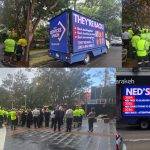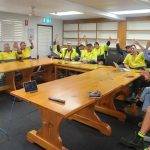

The United Services Union (USU) and its members have successfully secured a one-grade pay increase for Infrastructure Team Leaders, following a sustained campaign highlighting outdated position descriptions and growing role demands.
The outcome comes after concerns were raised that the classification of Infrastructure Team Leaders no longer reflected the reality of their day-to-day responsibilities. Over time, the scope of these roles had expanded significantly, with Team Leaders taking on increased operational oversight, staff management, and technical accountability, all without a corresponding update to their official job descriptions or remuneration.
The USU Organiser Zac Sheather argued that the discrepancy between documented duties and actual expectations had created an inequitable situation, effectively leaving workers under-classified for the level of work they were performing. By documenting these inconsistencies and presenting a detailed case to management, the USU sought and attained a reassessment of the roles on behalf of our USU members.
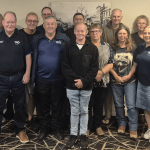
“The issue here wasn’t just about pay—it was about recognising the true nature of the work being done, said USU member James Nowlan (pictured). The positions had evolved, but the paperwork hadn’t kept up, so the gap needed to be addressed.”
At the commencement of the evaluation process, Port Macquarie Hastings Council found that the staff were entitled to a one-grade pay rise, which was in alignment with the work they were required to carry out. Although it is a small increase, the adjustment is being viewed as a significant win for the affected employees, as the ongoing consultation forced recognition and formal acknowledgment of their contributions to their community.
The USU notes that this result underscores the importance of regularly reviewing position descriptions to ensure they remain accurate and reflective of evolving roles and actual duties required to be carried out. Without such reviewing and updating, discrepancies can emerge, particularly in operational areas where responsibilities tend to grow organically and evolve over time.
The decision is also seen as a broader reminder of the role the USU can play in advocating for fair treatment and proper recognition within the workforce. By taking a structured, evidence-based approach, USU members were able to demonstrate that the issue extended beyond individual concerns to a systemic misalignment.
The USU would also like to thank the infrastructure team Coordinators and Managers for their support and advocacy through what is commonly a difficult process. The USU hopes this outcome may also set a precedent for similar reviews in other areas where position descriptions have not kept pace with operational change.