

USU Northern Manager Stephen Hughes looks at the benefits of becoming a delegate and looks at his own time as a delegate.
Are you thinking about becoming a USU Union Delegate?
If so, the first question you should ask yourself is why. For instance, do you have any other current USU Delegates who are well regarded by their fellow workers and Union members in your workplace.
If yes, have a discussion with them and your allocated USU Organiser to look at how you can best help.
In the NSW Local Government State Award, Union Delegates have access to participate in Union training under paid Union Training Leave Clause 23 Leave Provisions I. Other Paid Leave (ii) Union Training Leave.
Union Conference Paid Leave is also available under the same clause in subsection (iii).
We are not restricted under the Award regarding how many Union Delegates we can have, although we have limits regarding the size of our Branch Committees of Management for our regional and industry based Branch Committees of Management as well as the Annual Union Conference.
While we seek to have at least one USU Delegate with every employer, we often have multiple Union Delegates and Co-Delegates as well as Fixed Worksite Union Contacts, who can refer USU members and or potential USU members to the relevant USU Delegate or if needed the relevant paid Union Official/s for advice and assistance, especially where correct advice is needed and face to face representation is best, such as in disciplinaries or grievances unable to be resolved internally with the employer.
Ultimately the best arrangement is to have a Head Union Delegates or Union Delegates working together with Union Co-Delegates who may be elected to cover a specified fixed worksite or group of employees.
The NSW Local Government Award provides for workplace Consultative Committees under Clause 33. This Committee has guaranteed Union Delegate positions which meet with Management regularly (or which should) Paid Training is a responsibility of the employer for this Committee. We have often seen these important Committees lack Union representation from Delegates or members. Importantly it is a forum where Union Officials such as the allocated Union Organiser can attend if requested by our Delegate/s or members.
While the majority of our current USU Delegates are doing a great job, their effectiveness and contactability can be hindered for a multitude of reasons, such as workload, leave, family responsibilities just to name a few reasons.
Sometimes there can be a conflict of interest between a Delegate and some member/s where alternative arrangement needs to be made, in such cases multiple Delegates are crucial.
The workplaces in which we generally achieve the best above Award conditions through local Agreements are almost always those with strong Union Delegate’s structures.
The USU has training resources through such people as our Training Officer like Sanam Niknazar who recently returned to the USU after a 12-month personal break, during which time experienced USU Delegate Julie Louis from Lake Macquarie City Council was able to fill in and who did a great job.
Julie is now retired from Council and is currently seconded into an Organiser role.
Julie’s Council has a great USU Delegate’s structure and committee and has an agreement and above Award conditions that all would want.
Why Stephen became a delegate
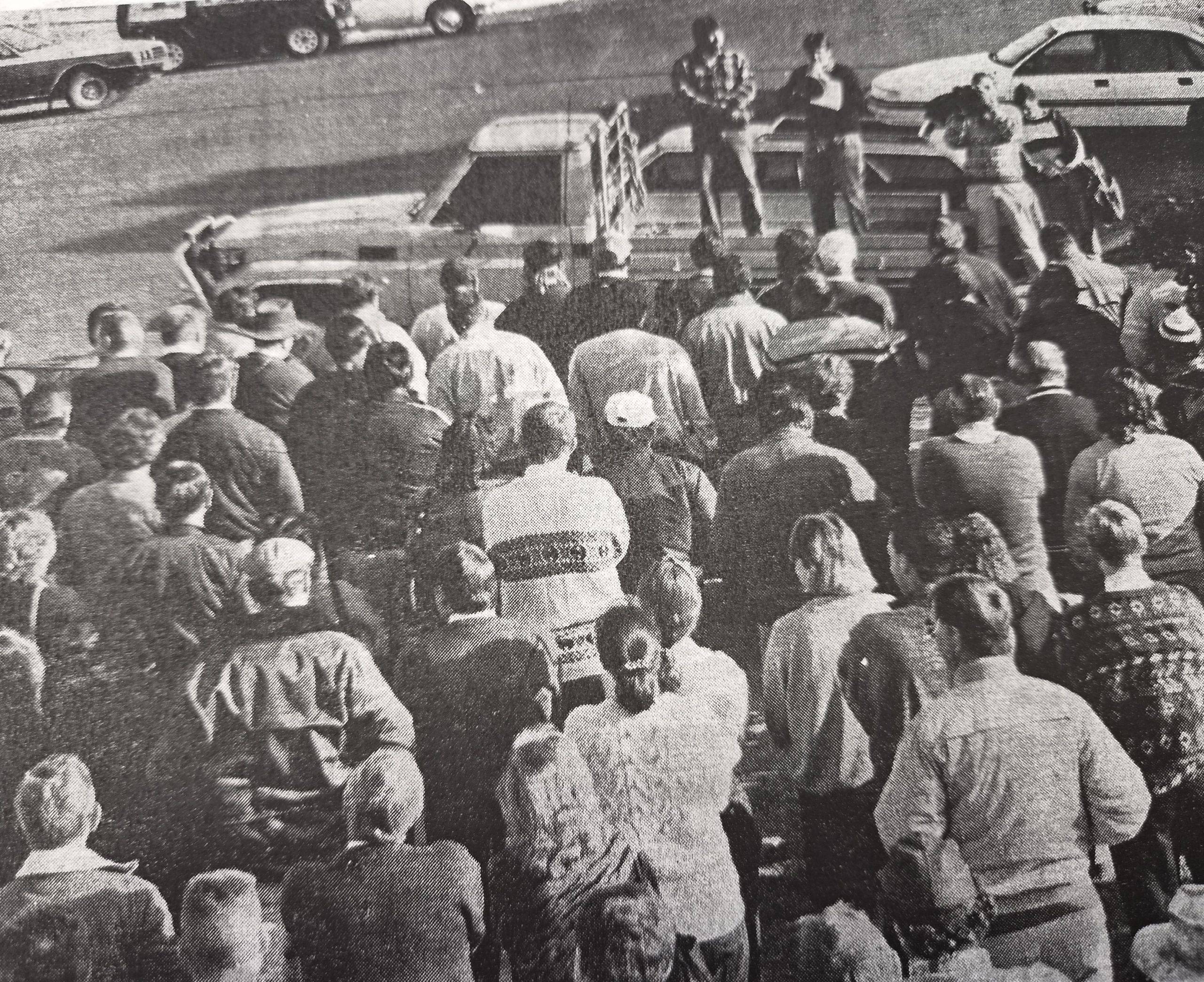
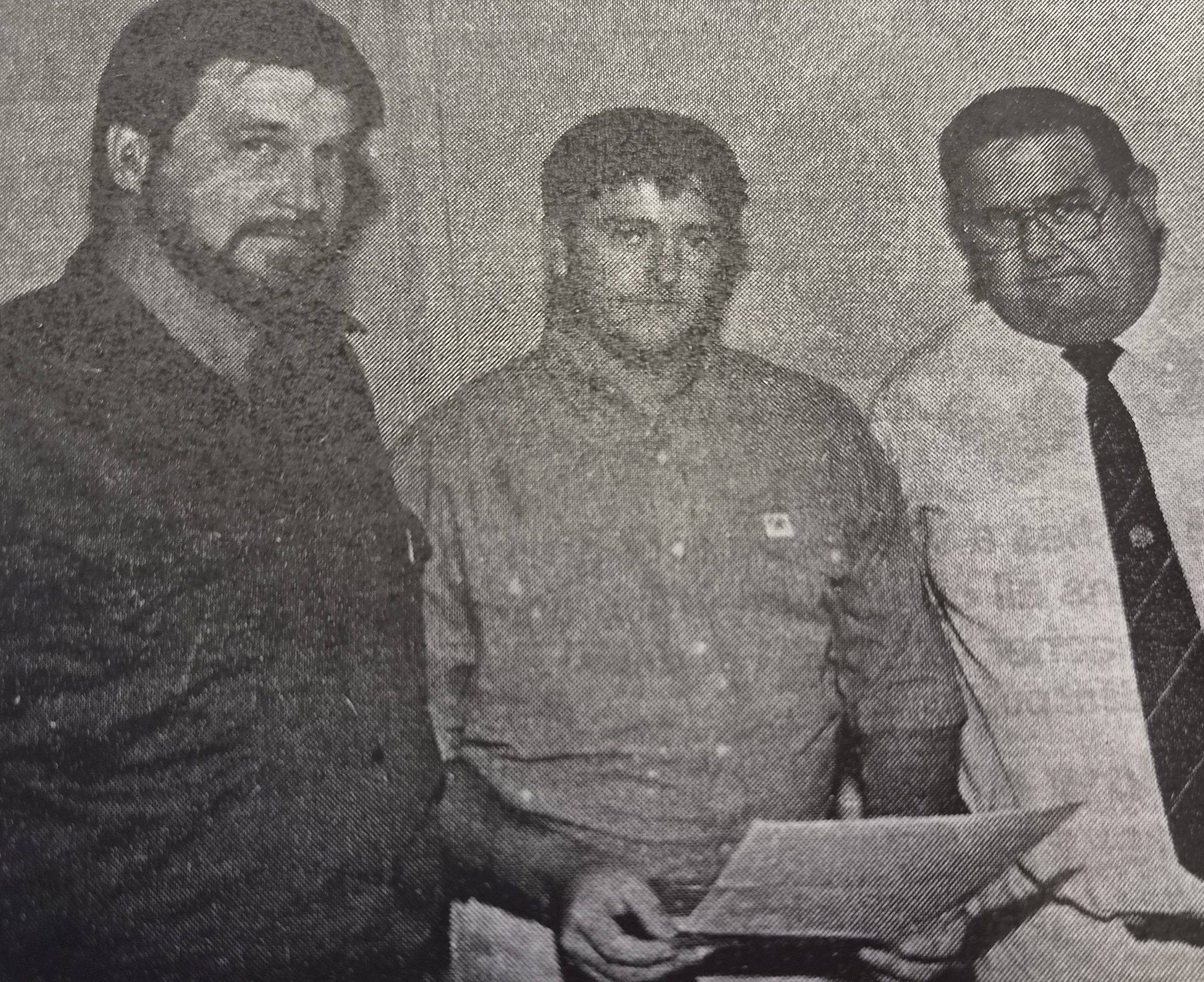
I became a Delegate of the old MEU (now USU) in 1985 at Narrabri Shire Council, when I felt myself and my fellow Union members weren’t receiving decent representation from the existing Delegates.
There were two Outdoor MEU Delegates there at the time.
I was on a Bridge Crew at the time and did not get to spend much time in the Council Works Depot until I moved in a depot based position, making it often difficult for my fellow Union members to catch up with me face to face at work, however this being pre mobile phones, my home phone often ran hot after hours.
I asked another Works Depot based Union member, John Zimmerman, who was based in the workshop as a mechanic to become my Co-Delegate, and he agreed.
We called a meeting of Union members and were voted in to replace the previous Delegates.
John and I also over time brought in a few more Co-Delegates and we achieved 100% Union membership of the 110 Outdoor staff for the 11 years we were Delegates together until I had to leave Council in 1997.
The first thing I would say to a Delegate is to get a copy of your Award/Agreement and any policies that affect our members in the workplace.
Read and learn your Award rights and obligations, know them better than Management and HR, which in most cases isn’t too hard as I believe many are ignorant of the Award unless a specific section is useful to them.
Attend Union Training, where you will be given the tools and forms needed to represent our Union members effectively.
When I started in Sydney as an Organiser in October 1998, I attended Marrickville Council for a yard meeting and was able to inform members and potential members of their Award rights and conditions that almost all had no idea of.
This led to me creating the then new Union Grievance and Dispute Notification Form which was long overdue and which gave Delegates a tool to assist in the lodging of grievances, and where unresolved disputes in the IRC.
It also was a great tool for Delegates to advise those who had grievances to record the grievance formally with what the grievance was, but more importantly the remedy sought to resolve the grievance.
The Award provided for and continues to provide for a maximum response time from the Employer; however, it also allows the Union to lodge a dispute as soon as the grievance is submitted.
The grievance process also requires a written response from the employer and meetings and if unresolved, a response from the General Manager in writing as to why they hadn’t implemented the proposed remedy contained in the grievance.
Importantly the grievance process can delay or stop proposed actions by the employer from being conducted, while the matter is in the course of negotiation, conciliation or arbitration, with the process of conciliation and arbitration conducted in the NSW IRC in this instance.
Helping others who lack the confidence or ability to properly represent themselves can be very rewarding and satisfying, especially when it achieves a good outcome.
There is specific industrial legislation that is there to protect Delegates and Union Members, or for claiming an Award entitlement or benefit from being victimised in the NSW IR System such as sections 210 and 211, being Freedom of Association and Victimisation Protections.
The NSW IR System contains protections as does (unfortunately to a lesser degree) the Federal IR System and Awards.
The NSW Local Government Model Code of Conduct also contains rights of Union Delegates to time and resources in conducting their Delegate duties under the Use of Resources provisions.
I have been representing Union members now for over four decades and don’t regret a bit of it. I have helped countless people over the years, just as many others have and continue to do so.
If you’re interested in becoming part of our team of Delegates, contact the Union or reach out to your Organiser.
We have Delegate Training available and forms for those endorsed by their members ready to go.

