
Across the union movement, victories are rarely accidental. They are built through persistence, member solidarity, and the tireless advocacy of workplace delegates.
Recent wins at NSW Ambulance Control are a clear example of how union power delivers real, practical outcomes, not just for one workplace, but as a reminder of what organised workers can achieve everywhere.
Advocacy That Makes Workplaces Safer
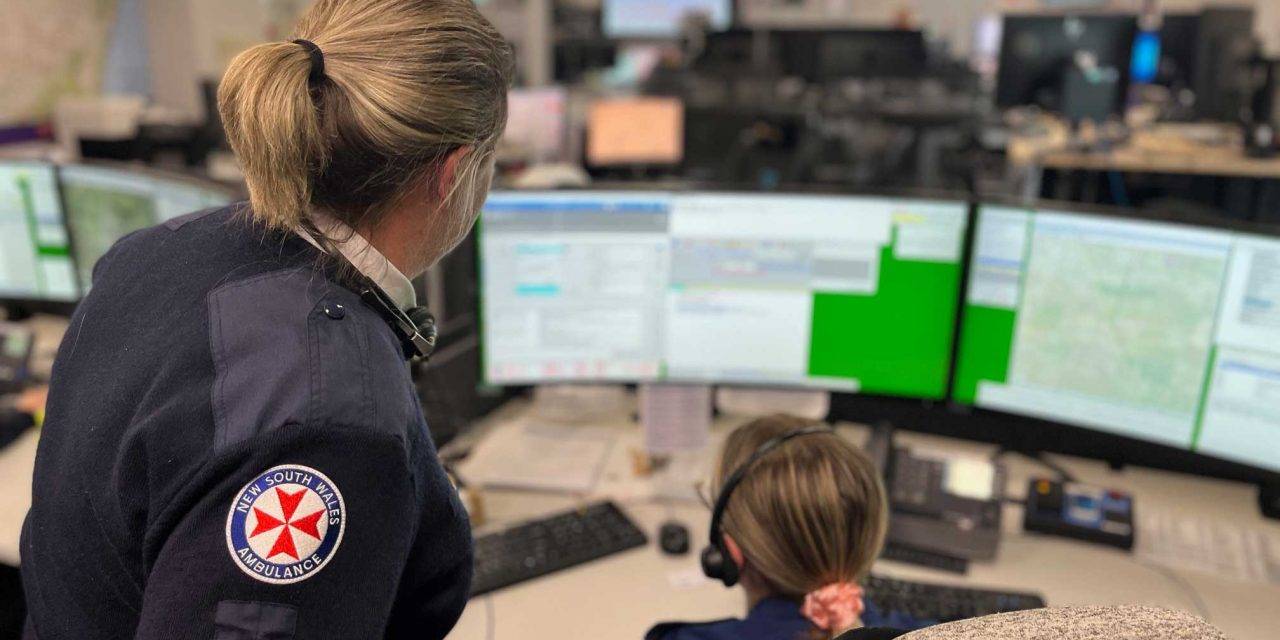
Control room staff at NSW Ambulance carry out complex, high‑pressure work essential to emergency response each day. Positioned at the critical intersection of worker safety and patient outcomes, their roles depend on robust systems, adequate staffing, and effective clinical support. In recent months, members have raised serious concerns regarding workplace safety, operational pressures, access to clinical oversight, and the availability of essentials, including appropriate uniforms.
Rather than accepting unsafe or unfair arrangements, delegates escalated these issues through the United Services Union (USU). The result? Concrete improvements that directly affect how work is done and how safely.
Clinical Support Model Changes
One of the most significant changes relates to the clinical support model for Sydney Control Centre, particularly ahead of an upcoming relocation to the State Operations Centre (SOC).
It has now been confirmed that because of the staged move to the new State Operations Centre
- USU Members at NSWA Sydney Control will revert to clinical support consistent with models already in place in regional centres, and
- Once the move to the SOC is complete the proposed support framework will be maintained due to the physical location of clinician’s staff in relation to Emergency Medical Call Takers, and their immediate supervisors
Vigilance on how these changes impact our members matter because consistency and proximity to clinical support aren’t administrative details they are essential safeguards for workers making high-stakes decisions under pressure. The USU is committed to keeping a very close eye on how these changes impact members and patient safety in the coming months
Break Area Improvements at SYDCC
Following the advocacy of USU Delegate MJ Bowyer, members at Sydney Control will see a significant improvement in the cleanliness and amenity of the outdoor break area. Unserviceable furniture and neglected planters have been removed, with additional seating installed to ensure members have a clean, comfortable outdoor space to properly rest and enjoy their breaks.
Small Issues Are Never “Just Small”
Another concern raised by members was the prolonged delay in receiving serviceable uniform items, particularly jackets. While this may seem minor to those outside the workplace, unions know that access to proper equipment is a fundamental part of dignity, safety, and respect at work.
After continued pressure from union delegates, members have now been advised that new jackets will be available from 6 February. It’s a reminder that unions don’t only fight headline battles they also win the everyday improvements that make work safer and fairer.
Why These Wins Matter Beyond One Workplace
For union members across industries, this story should sound familiar. Unsafe plans challenged. Workers’ voices amplified. Employers held to account. Outcomes improved.
These wins at NSW Ambulance Control didn’t come from goodwill alone. They came from:
- Workers speaking up
- Delegates standing firm
- A union backing its members with experience, resources, and collective strength
It’s the same formula that has delivered safer sites, fairer rosters, better pay, and stronger protections across countless workplaces.
The Power of Collective Action
Whether you work in emergency services, government, health, or another sector entirely, the lesson is the same: unions work because people work together. Every member strengthens the collective voice that makes change possible.
As this example shows, when unions are organised and active, improvements aren’t abstract ideals, they are real outcomes that shape daily working life.
Because when workers stand together, safety and fairness aren’t optional. They’re non-negotiable.

